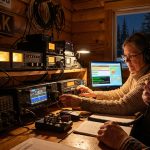
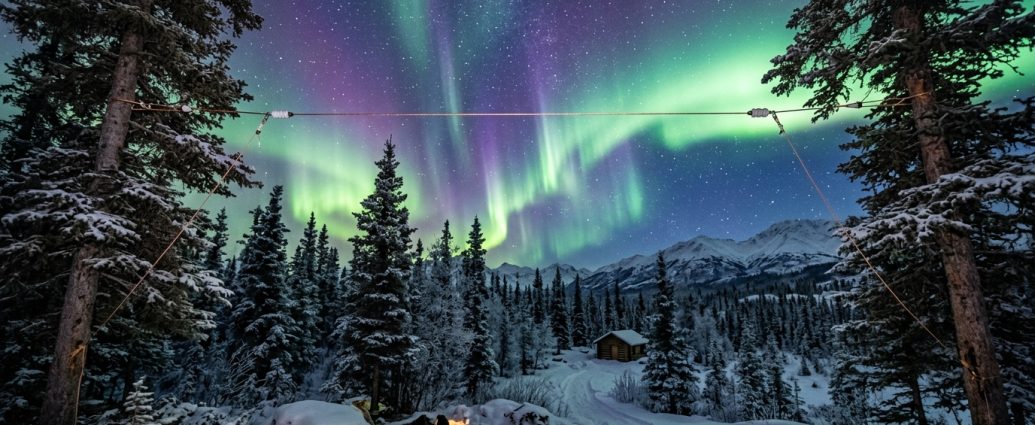
Operating high frequency (HF) amateur radio stations in arctic and sub-arctic climates presents unique technical challenges for antenna design and wire durability. Extreme cold temperatures, heavy snow accumulation, and fierce high-altitude winds demand heavy-duty materials and clever mechanical installation techniques.
Single-strand copper wires often become brittle and snap under heavy ice loading. Successful operators in the Alaska Section favor multi-strand insulated copper-clad steel or stranded wire with weather-resistant jackets. Dipoles, inverted-Vs, and end-fed random wire antennas suspended between sturdy spruce trees offer excellent multi-band performance while remaining easy to repair in the field during winter months.
Proper feedline choice is equally vital. Coaxial cables must feature non-contaminating ultraviolet-resistant jackets that retain flexibility in sub-zero conditions. Additionally, installing spring-loaded tension relief mechanisms on antenna support ropes prevents falling tree branches or wind gusts from snapping antenna elements. By applying sound mechanical engineering alongside electrical tuning, Alaskan hams maintain crystal-clear HF contacts across North America and around the globe despite challenging northern environments.
Did you enjoy this?
Log in to like this post.