Amateur radio operators in Alaska play an essential role during severe weather events, earthquakes, and remote wilderness emergencies where traditional cell networks and landlines frequently fail. With vast expanses of wilderness and isolated communities spread across rugged terrain, reliable communication is a lifeline.
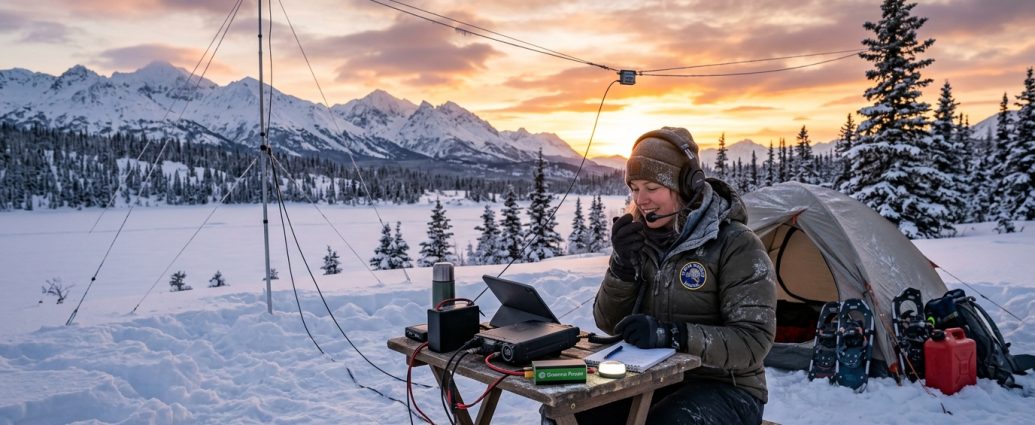
When extreme sub-zero temperatures, ice storms, or seismic activity disrupt municipal power grids and telecommunication infrastructure, ham radio operators step up to form resilient emergency networks. Using portable VHF/UHF repeaters, solar-powered HF transceivers, and battery-backed satellite links, operators pass critical welfare traffic, relay tactical emergency medical requests, and keep remote outposts connected with state emergency management agencies.
Through regular training exercises, local ARES (Amateur Radio Emergency Service) volunteers ensure equipment readiness and operator proficiency. Every member maintains portable emergency kits—often called go-kits—equipped with wire antennas, battery packs, and transceivers ready for deployment on short notice. As technology evolves, Alaskan ham operators continue blending modern digital modes like Winlink with proven high-frequency voice protocols, preserving an unbeatable emergency safety net for the Great Land.
Did you enjoy this?
Log in to like this post.